When playing popular international online games such as Final Fantasy XIV, Lost Ark, Black Desert, or League of Legends, many players wonder why the Korean and international website versions are completely separate. Despite sharing the same title, logging in through the Korean website portal versus the global website routes players to different server ecosystems that cannot connect or share data. This divergence is not simply a language barrier, but stems from strict legal regulations, publishing licensing rights, technical infrastructure, and regional operational strategies.
Overview of the Separation Between Korean and International Server Systems
Most major South Korean game developers and global gaming corporations establish two distinct operating ecosystems: one dedicated to the domestic South Korean market and another for international (Global) markets.
Domestic vs. Global Distribution Models
In the South Korean market, a game’s website serves as both an information portal and a direct account management system connected directly to the local publisher. Players register, authenticate, and launch the game directly from their web browser. In contrast, international website systems serve a multi-national community (North America, Europe, Southeast Asia), accepting broad global login methods and routing users to server clusters located across multiple continents.
Why Does the Same Game Have Two Separate Websites?
Separating websites allows publishers to manage web traffic and route users from the very first step. Depending on your IP address and the account type used during login on the corresponding portal, the system assigns access to a designated server list. This prevents account database conflicts and ensures compliance with regional operational policies.
Core Reasons Behind Server Separation
The isolation between Korean servers and international servers arises from four core factors.
Legal Regulations and Mandatory Real-Name Verification
This is the single biggest reason why Korean servers remain a closed ecosystem. Under South Korean telecommunications and gaming regulations (governed by the Game Rating and Administration Committee – GRAC), all domestic online gaming accounts must be linked to a user’s real-world legal identity.
To register an account on a Korean game website, players must verify their identity using a Korean Resident Registration Number (KSSN) or a locally registered mobile phone number (via services such as PASS or I-PIN). This system enforces age ratings, playtime limits, and financial transactions. Because international players lack these credentials, they cannot create domestic accounts, forcing publishers to offer separate global websites and server systems with broader authentication mechanisms.
Publishing Licensing and Separate Publishers
While a game may be developed by the same studio, the publisher in each regional market can differ significantly:
- Domestic Korean Market: Usually operated directly by the developer (such as Smilegate, Nexon, NCSoft) or licensed to a domestic publisher (such as Actoz Soft operating the Korean version of FFXIV).
- International Market: Publishing rights may be licensed to distinct corporate entities (such as Amazon Games operating Lost Ark in Western regions, or Kakao Games Europe).
Because commercial contracts and revenue sharing between publishers are strictly divided, player data cannot cross over between servers. The Korean website manages the local publisher’s database, while the global website falls under the jurisdiction of international publishers.
Patch Builds, Content, and Cash Shop Discrepancies
Because games are developed in South Korea, domestic servers typically receive new content updates, feature releases, events, and bug fixes months or even a year ahead of international markets. The client build running on Korean servers differs fundamentally from the global build.
Furthermore, in-game item shops (Cash Shops), currency conversion rates, and loot box transparency rules on Korean websites must comply with domestic consumer protection laws. These discrepancies in game versions and in-game economics make cross-server play technically impossible.
Network Infrastructure, Latency (Ping), and Anti-Cheat Measures
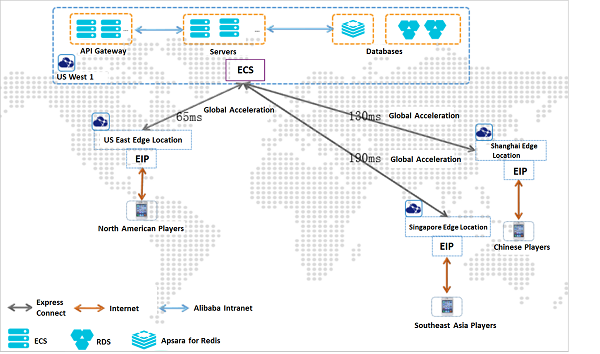
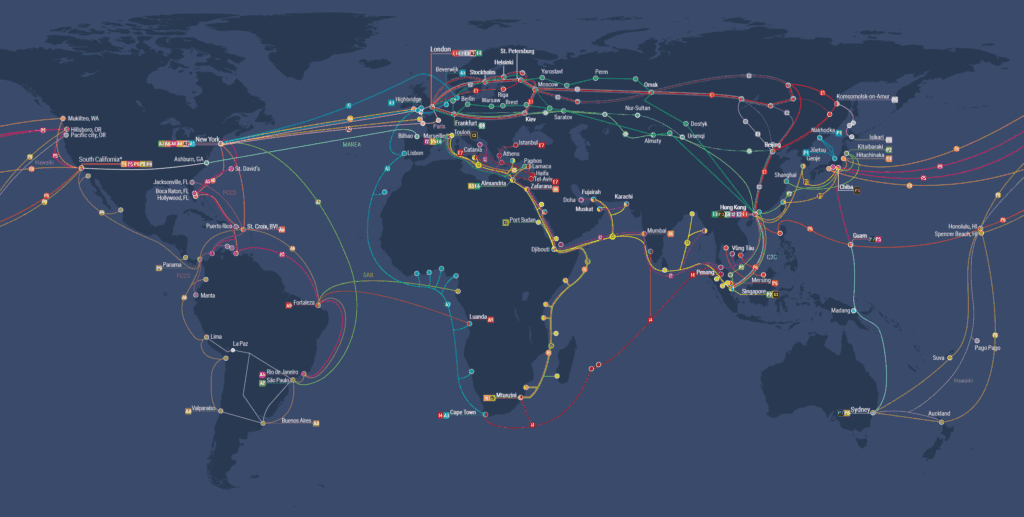
Korean game servers are hosted in data centers in Seoul to provide domestic players with ultra-low latency (typically under 10ms). Opening these servers to unrestricted global access would introduce high latency (150ms – 300ms ping) due to geographical distance, severely degrading the experience for local players.
Additionally, mandatory real-name verification on Korean websites allows publishers to mitigate botnets, account boosting, and hacking/cheating effectively. To preserve this controlled environment, Korean servers are isolated from unrestricted foreign web traffic.

How to Identify and Access the Correct Server
Understanding the platform structure prevents wasted time when attempting to register or download a game.
Distinguishing Login Methods Across Websites
You can easily identify which website portal you are on by checking the available login options:
- Korean Website: Only displays login options via Korean mobile phone numbers, verified KakaoTalk/Naver accounts, or local digital security certificates.
- International Website: Provides quick login buttons for Google, Facebook, Apple ID, Steam, or standard personal email registration.
Consequences of Using the Wrong Platform (Region Lock / Account Suspensions)
Attempting to log into a Korean website using a global account results in automatic rejection or redirection to the international site. If a player purchases or borrows a Korean account but accesses it from a foreign IP address, automated security systems may trigger a region lock, requiring identity re-verification via a local Korean phone number.
Therefore, players located outside Korea should use official global websites to create accounts and play on international servers, ensuring long-term security and stability.
Frequently Asked Questions (FAQ)
Why can’t I log into a Korean game website using my Google or Facebook account?
Korean game portals require real-name identity verification linked to domestic telecommunications databases. International social logins like Google or Facebook do not supply the required identity verification credentials under South Korean law and are therefore not accepted on domestic portals.
Can I transfer my game character data from a Korean server to a Global server?
No. Due to differences in publishing entities, commercial licensing agreements, and separate database structures, games do not support character or account transfers between Korean and international servers.
Why do Korean game versions receive updates earlier than Global versions?
South Korea is the native development market. Content updates undergo initial live testing and operation in the domestic market before undergoing translation, localization, cultural adaptation, and compliance checks required by international publishers.
Will a VPN allow me to play smoothly on Korean servers from abroad?
A VPN only changes your IP address to bypass basic geo-blocks or optimize routing slightly. A VPN cannot bypass mandatory real-name phone verification during registration, nor can it overcome physical distance to eliminate high latency (ping).